Des vidéos très utiles et très claires avec quelques exemples pour l’épreuve d’expression orale.
(Source France TV Education)
Méthodologie expression orale
Places and forms of power
Myths and heroes
Spaces and exchanges
Idea of Progress

Des vidéos très utiles et très claires avec quelques exemples pour l’épreuve d’expression orale.
(Source France TV Education)
Méthodologie expression orale
Places and forms of power
Myths and heroes
Spaces and exchanges
Idea of Progress

Vous êtes nombreux à me demander de vous aider à trouver des idées de « problématique » (key questions) pour vos oraux. Il n’est pas évident de proposer une problématique qui pourrait être utilisée par tout le monde car vous avez tous étudié des textes et documents différents. Je vais donc plutôt vous donner quelques idées de problématiques simples par notion… à vous de les adapter à vos textes et documents utilisés en cours.
Je vais mettre à jour l’article régulièrement – comme toujours sur le blog n’hésitez pas à proposer d’autres problématiques dans la partie « commentaires » – ça pourrait toujours inspirer les autres!
What is a modern-day/contemporary hero? What impact do they have on our lives?
How can an ordinary person make the world a better place?
Why are sports heroes so important in today’s society?
To what extent does Barack Obama represent the black American dream?
To what extent did Rosa Parks/ Martin Luther King/Malcolm X contribute to the improvement of black American’s rights?
To what extent do myths represent society’s values?
In today’s society to what extent is there a need for myths, something to believe in that is greater than we are?
What is the role of the media in the making of heroes?
Is it useful for society to have « superheroes »?
What is the role of the media in the rise and fall of certain « heroes »?
Why are myths and heroes so important to our society?
In what way are heroes portrayed in Hollywood movies? How does this reflect our society today?
From rags to riches: Self-made men/women – how did they do it?
The Queen of England : why do the British love her so much?
What drives people to leave their country to go and live in another country?
Is the American Dream still alive? What attracts immigrants to live in the USA?
Has the Olympic ideal of fair play and tolerance been now replaced by money, drugs and politics?
What are the different conflicts that have shaped the US society? What effect have they had on the USA as we know it today?
What are the advantages of moving to another country to study or find work?
To what extent does travelling to a foreign country broaden our horizons?
What impact does globalisation have on international exchanges?
Why do refugees choose to leave their countries? What difficulties do they face?
In what way does travelling broaden the mind?
What difficulties do immigrants face when they arrive in a new country?
To what extent does new technology isolate people?
Are social networking sites a threat to our private lives?
How has the internet modified our social behaviour and changed the way we communicate?
To what extent does progress change our vision of the others and of the world?
To what extent has technological progress made an impact on our environment?
Working from home – is it the end of productivity or the future of work?
How does modern technology affect today’s society? Does it have a positive or a negative effect?
To what extent has social progress over the past century led to an improvement in women’s rights?
What sort of social progress was made in the 20th century? How did it come about?
In what ways has progress made modern-day life better?
How has the internet changed today’s world?
How did the Civil Rights movement bring about progress in the USA?
What major technological/scientific breakthroughs have been made in the last decades and how have they changed our lives?
Are peoples rights progressing or regressing?
In what way does sport have the power to unite people in a way that little else can?
« Whoever controls the media controls the mind (Jim Morrison) » – how much power do the media have over us?
When power is misused how do people rebel against it?
In what ways do the social networks have power to influence public opinion?
To what extent can we say that schools and universities are instruments of power?
How powerful is the NRA (National Rifle Association)? How has it consistently succeeded in defeating new gun control legislation in the USA?
How have civil rights activists used nonviolent protest to bring about change in the USA?
Money is power and rare are the heads that can withstand the possession of great power (Benjamin Disraeli) : how far is this quote true?
What are the limits to power? In what ways can power be abused?
To what extent can education be a key to power?
With social networks and internet is it possible to limit the power of the media?
How do people exercise their power? What are the different tools used?

Thank you « chbo78 » for suggesting these videos! They really help illustrate the negative aspects of the idea of progress: what negative impacts can progress have on our society and on our planet?
« Can we auto-correct humanity? »
« Dear future generations: sorry »
« Why I think this world should end »
This is what I want this blog to be about: helping each other and sharing ideas (without paying!!)
Keep contributing!!
Another interesting report on the bad effects a smartphone can have on your sleep:

On me demande souvent des idées d’articles ou de documents pour l’oral. Je vais essayer de rajouter des articles/documents régulièrement (en précisant pour quelle notion ça pourrait servir). Si vous avez des documents intéressants vous pouvez également les partager dans la partie « commentaires ».
1. « International Happiness Day » (20th March) – et le fait que L’ONU va publier une liste de chansons pour rendre les gens « heureux » – Watch the video with Ban Ki Moon here (cliquez sur les photos pour voir les vidéos)
(Notion: Spaces and Exchanges – trying to improve life in other countries)
2. World Water Day (22nd March)
Watch this video and learn about the world water crisis. What can we do to help change the situation?
Read the article here
(Notions: spaces and exchanges/idea of progress – how our environment is affected by climate change)
3. Living on Mars
Mars One is a project to send people to live on Mars. Watch this video to learn more about the mission
(Notion: idea of progress – what does this mean for our future? What can we learn from this mission?)
On Friday 13th March 2015 it’s Red Nose Day in the UK! But what exactly is Red Nose Day and why does it take place?
The first Red Nose Day (RND) was held on 5 February 1988, when it was launched as a National Day of Comedy, and since then they have been on the second or third Friday in March. Red Nose Day is often treated as a semi-holiday for example, many schools have red-themed non-uniform days. The day culminates in a live telethon event on BBC One, starting in the evening and going through into the early hours of the morning, but other money-raising events take place. As the name suggests, the day involves the wearing of red noses which are available, in exchange for a donation, from supermarkets and charity shops.
A reading comprehension on the British Council website
The Official Red Nose Day Page
The official Comic Relief Page
Have some fun here

Etant toute seule à gérer la page je ne peux pas toujours être disponible pour répondre à vos questions. Pour vous aider à préparer vos exposés à l’oral je vous propose donc cette rubrique pour poser des questions concernant vos documents, demander des conseils sur le contenu, des idées de problématique etc….. n’hésitez pas à commenter pour aider les autres.

To help improve your listening comprehension here are a few links to pages where you will find videos in English. Please feel free to add any other links in the comments below!
– the brilliant website : http://film-english.com/ which is updated regularly (and also gives lesson plans for teachers!)
– the British Council video zone – with listening comprehension exercises
– the British Council video UK – short videos about life and culture in the UK
– the BBC 6-minute English
– ESL listening comprehension – short film clips with listening comprehension exercises
Post your favourite English videos below!

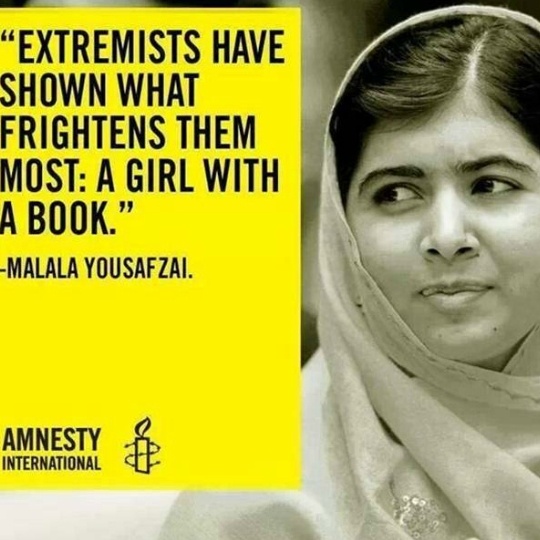
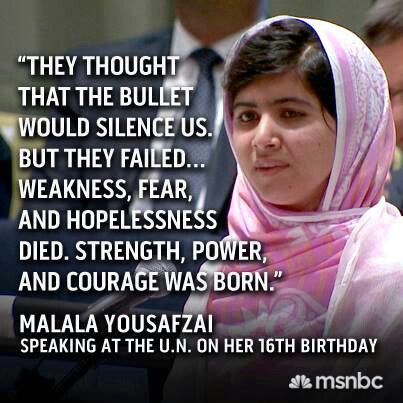
After the emotion of the events last week in France this is perhaps a good topic to discuss in class: Malala Yousafzai the Pakistani activist for female education and the youngest-ever Nobel Prize laureate.
Malala initially came to prominence when, as an 11-year-old, she wrote a diary for BBC Urdu, giving an account of how her school in Mingora town dealt with the Taliban’s 2009 edict to close girls’ schools. In October 2012 she was shot in the head by a Taliban gunman for « promoting secular education ». She recovered from the attack and was even more determined to continue her campaign which is now worldwide. In 2014 she became the youngest person ever to receive the Nobel Peace Prize. Her love for education, and her courage in standing up to the Taliban, made her an icon of bravery.
Here are a few articles and videos about Malala that can be used to illustrate several notions: myths and heros, places and forms of power and also the idea of progress.
BBC website : Profile
Malala accepts the Nobel Peace Prize (video)
Ziauddin Yousafzai talking about his daughter and his fight to defend equal opportunities for education (video)
Article and video « Documenting a Pakistani girl’s transformation »

One of the less-well known Christmas traditions in the UK is the countdown to the Christmas « number one »: which song will be number one in the charts for Christmas? It may seem surprising but the British take a great interest in the charts, more so than any other country in the world. This interest has been fuelled by the media – newspapers and magazines publish articles about the « contentenders » for the number one position and TV programmes such as X-Factor finish just before Christmas, giving the winner a good chance of taking the number one position.
Very often several charity records are released just before Christmas to raise money for different causes. For example this year marks the 100th anniversary of the Christmas Day Truce, during World War 1. This event inspired The Farm’s 1990 hit All Together Now and many of the UK’s biggest music stars have united as The Peace Collective, to re-record the song. The new track features a backing choir of schoolboy footballers from the Premier League and German Bundesliga. All profits from the release, will go to the British Red Cross and the Shorncliffe Trust.
Read the article about it here
and watch the video here:
Another charity song is the well-known hit « Do they know it’s Christmas? » a song that was initially written by Bob Geldof and Midge Ure in 1984 to raise money for relief of the famine in Ethiopia. The original version became the biggest selling single in UK Singles Chart history. The song was re-recorded in 1989 by Band Aid II and in 2004 by Band Aid 20, again raising funds for famine relief. The song was again re-recorded in 2014 by Band Aid 30, to raise funds for the ongoing Ebola crisis in West Africa.
Do they know it’s Christmas (2014)
Another contender for the number one spot is the song which accompanies the annual John Lewis advert (see also https://anglaispourlebac.com/2013/12/03/john-lewis-christmas-ad-another-christmas-tradition/)
This year it a story about Monty the penguin , and the song is « Real Love » by Tom Odell
Article in the Daily Telegraph about the annual John Lewis advert.
Notions that could be linked to this topic
Spaces and exchanges: young German and British footballers coming together to give a message of peace 100 years after the Christmas truce and raise money for charity
Places and forms of power: The power of the media
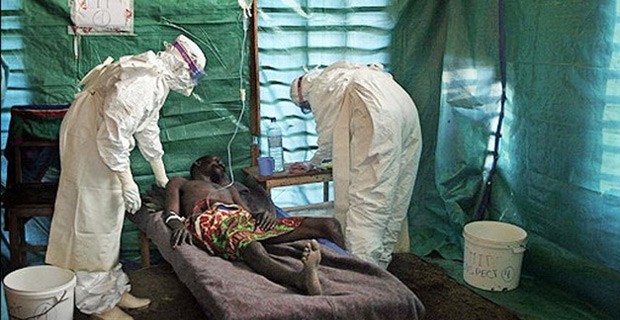
The Ebola outbreak is currently in the news and even more so now that several cases have been detected in the USA.
What exactly is Ebola? Is there a cure to this deadly disease? How can countries work together to reduce the risk of the disease spreading?
Ebola – or Ebola haemorrhagic fever (EHF) – is a really deadly virus: 50% to 90% of people who catch it die from it. But there are a few forms of the virus which have been identified by scientists and given the right medical care and treatment, you can recover. Ebola was first spotted in the African countries of Sudan and the Democratic Republic of the Congo in 1976. In the space of five months in that year, 284 people in Sudan caught the virus. It killed 117 of them.
You can catch it through direct contact with the body fluids of an infected person such as blood and saliva. It is not airborne like the flu so is more difficult to catch but is very infectious: so infected people have to be kept separate to reduce the risk of it spreading. Healthcare workers who have looked after sick patients have also been infected.
For the moment there is no known cure however a new experimental drug, ZMapp, has been used in the US on health workers and a UK nurse who caught the disease in Africa. They recovered from the virus.
The World Health Organization warns greater global efforts are needed to combat the Ebola virus, which is spreading ever faster in West Africa despite efforts to contain it. Barack Obama and EU leaders took part in a videoconference on Wednesday 15th October to discuss the growing Ebola crisis following warnings that the outbreak could grow to 10,000 new cases a week within two months. They discussed what further action can be taken to help stop the spread of the virus in west Africa and how passengers arriving from Africa can be screened to prevent the disease spreading further.
Here are a few videos that explain more about this outbreak.
What is Ebola? – in 60 seconds
An interactive video : Ebola – the virus posing a deadly threat to millions
Documents, videos and articles on the BBC website
Progress towards a vaccine : video
Vocabulary exercises about vaccines
Ideas for a debate about compulsory vaccinations
 Anglais pour le BAC